

Updated: August 19, 2026
Originally published: September 22, 2021
TL;DR
Starting culinary school is about more than learning recipes. You also need the right equipment, professional kitchen habits, and the discipline to keep improving.
The most important culinary student essentials include a proper uniform, side towels, quality knives and knife guards, a reliable knife bag or backpack, basic cookware, slip-resistant kitchen shoes, culinary reference books, creativity, and commitment.
You do not need to buy everything at once. Start with the equipment required by your culinary school, then build your personal kitchen kit as your skills and experience grow.
Quick Answer
What does a culinary student need?
A culinary student typically needs a school-approved uniform, kitchen towels, a basic set of chef knives, knife guards, a knife roll or chef knife backpack, basic cookware for practicing at home, slip-resistant kitchen shoes, and the required culinary textbooks or study materials.
Beyond equipment, successful culinary students also need to develop professional kitchen habits. Communication, organization, cleanliness, creativity, and commitment are just as important as the tools in your knife bag.
Your culinary school's equipment list should always be your first reference. Requirements can vary by program, so avoid buying expensive or specialized equipment until you know what your instructors actually require.
What Should You Have Before Starting Culinary School?
Before your first class, focus on having the essentials that will help you work safely, comfortably, and efficiently.
At a minimum, your culinary student kit should cover four areas:
- Uniform and personal equipment — chef jacket, appropriate kitchen pants, apron, and required head or beard coverings.
- Knives and protection — the knives required by your program, along with guards to protect exposed blades.
- Kitchen and transport gear — side towels, basic cookware for home practice, and a reliable way to organize and carry your equipment.
- Professional preparation — appropriate kitchen shoes, required textbooks, and a willingness to practice and learn.
You do not need the biggest knife collection or the most expensive chef gear to get started. A well-organized kit containing the equipment you actually need is far more useful.
The following 10 essentials cover the equipment and personal qualities that can help you get the most out of culinary school.
1. Uniforms
Uniforms are one of the first things culinary students need to think about. A proper kitchen uniform gives you a professional appearance while also supporting cleanliness, food safety, comfort, and kitchen safety.
A typical culinary uniform may include a chef jacket, kitchen pants, apron, chef hat or beanie, and appropriate hair or beard coverings. Your culinary school may have specific requirements, so always follow the uniform standards provided by your instructor.
Food safety is particularly important in a professional kitchen. Hair coverings help prevent loose hair from coming into contact with food, while many kitchens restrict jewelry and other accessories that can create sanitation or safety concerns.
Your uniform should also allow you to work comfortably for long periods. Commercial kitchens can become extremely warm around ovens, ranges, grills, and other cooking equipment, so proper fit and ventilation matter.
As a culinary student, keep your uniform clean, comfortable, and ready before every class. Being prepared starts before you step into the kitchen.

Highly recommended Chef Beanie Hat by Chef Sac
2. Dish Cloth
A clean, high-quality side towel or dish cloth is one of the simplest and most useful tools in a professional kitchen.
Culinary students use side towels throughout a shift for appropriate kitchen tasks such as drying clean hands, wiping equipment and work surfaces, and handling certain hot cookware when instructed to do so.
However, a kitchen towel should not become a substitute for proper safety equipment. Always follow your instructor's rules for handling hot pans and equipment, and never use a wet towel to handle hot cookware because moisture can quickly turn into steam and cause burns.
Keep your towels clean and replace them when they become excessively dirty or wet. Simple, lightly colored towels can also make it easier to notice stains and maintain a clean workstation.
A good kitchen habit to develop early is keeping your towel accessible without letting it become a source of contamination.

3. Knives & Knife Guards
Knives are some of the most important tools you will use as a culinary student. You will use them constantly, from basic preparation and chopping to more specialized cutting techniques.
You do not need to own every type of chef knife when you begin. Start with the knives required by your culinary program and learn how to use, maintain, and store each one properly.
Depending on your program, a basic culinary knife collection may include:
- Chef's knife
- Paring knife
- Serrated bread knife
- Boning knife
- Slicing or utility knife
- Tourné knife
- Fillet knife
Each knife has a specific purpose, and learning when to use the right blade is part of becoming a better cook.
Why Knife Sharpness Matters
A properly maintained knife is easier to control than a damaged or poorly maintained one. Dull or damaged knives can require more force and may make cutting less predictable.
Learn the proper sharpening and honing methods taught by your culinary school, and inspect your knives regularly for damage.
Why Knife Guards Matter
Your knives should never be thrown loose into a bag or left exposed where someone could accidentally grab the blade.
Knife guards help protect the cutting edge and create a safer way to store and transport individual knives. They can also help prevent blades from rubbing against other equipment inside your culinary kit.
For a culinary student who regularly carries knives between home, school, and work, protecting your blades is an important part of taking care of your equipment.
For a culinary student who regularly carries knives between home, school, and work, knife guards are a simple way to protect exposed blades during storage and transportation.

4. Knife Rolls & Backpacks
Once you start building your culinary kit, you will quickly discover that carrying knives and kitchen tools safely can become a challenge.
A knife roll or chef knife backpack gives you a dedicated way to organize and transport your equipment between culinary school, home, work, and other kitchens.
When choosing a bag, look for dedicated knife slots, secure closures, durable construction, and enough additional storage for the other tools you regularly carry.
Keeping your knives separated is particularly important. Strong straps or secure compartments can help keep your knives and tools in place while you are carrying the bag.
Organization is also a valuable professional habit. When every tool has a designated place, it becomes easier to check your equipment before class, find what you need during preparation, and make sure nothing gets left behind after a long day in the kitchen.
You may not need a large chef backpack on your first day of culinary school. Choose a bag based on the equipment your program requires and the amount of gear you realistically need to carry.
Once you start building your culinary kit, a chef knife backpack can give you a dedicated way to organize and transport your knives and other kitchen equipment.
Look for chef bags with dedicated storage for knives and kitchen tools so your most-used equipment stays organized between classes and shifts.

Chef Sac's Innovative Chef Knife Bags - Many styles to choose from
5. Pans & Pots
Your culinary school may provide pots and pans for practical classes, but having some basic cookware at home can give you more opportunities to practice.
You do not need to recreate a professional restaurant kitchen in your home. Start with a few versatile pieces that allow you to practice the techniques you are learning in class.
A useful starting collection can include:
- Saucepan
- Stockpot
- Sauté pan
- Frying pan
- Baking sheet
- Mixing bowls
The right cookware depends on what you are studying and what your school requires. Before buying a large cookware set, check your course materials and think about which pieces you will actually use.
Practicing at home can also help reinforce techniques introduced in class. Repeating a basic preparation method several times is often more valuable than constantly buying new equipment.

Chef Sac Recommends T-fal Ultimate 12 Piece Cookware
6. Shoes
Do not overlook your kitchen shoes.
Culinary students can spend several hours standing, walking, carrying equipment, and working around spills, heat, and heavy kitchen equipment. Comfortable, appropriate footwear can make a major difference during a long practical class.
Look for kitchen shoes that are:
- Comfortable for extended periods of standing
- Properly fitted
- Easy to clean
- Slip-resistant or equipped with appropriate traction
- Approved by your culinary school
Rubber-soled kitchen shoes are popular in professional kitchens because they can provide useful traction on floors where spills may occur.
Your footwear should also protect your feet and remain comfortable throughout the day. This is not an area where choosing a pair based only on appearance is a good idea.
Always check your school's specific footwear requirements before purchasing a pair.
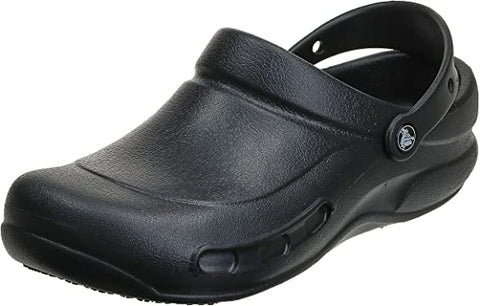
Chef Sac Recommends Slip Resistant Bistro Clogs by Crocs
7. Handbook of Kitchen Terms
Learning how a professional kitchen communicates is just as important as learning how to prepare food.
The culinary industry has traditionally used a hierarchy known as the brigade system, which organizes different kitchen roles and responsibilities. The exact structure varies between kitchens, but understanding the terminology can help you follow instructions and communicate with your team.
You may encounter positions such as:
- Executive Chef
- Chef de Cuisine
- Sous Chef
- Chef de Partie
- Line Cook
- Commis
- Pastry Chef
You should also become familiar with common kitchen terms and calls.
Some examples include:
- Mise en place — having ingredients, equipment, and preparations organized before cooking or service.
- Fire — a call indicating that an item should be started or cooked.
- Heard — acknowledging that you received and understood an instruction.
- Behind — a warning that someone is moving behind you.
- Stage — a period of temporary kitchen work or training.
These terms may sound unfamiliar at first, but you will become more comfortable with them through repetition.
Learning kitchen terminology is about more than sounding like a professional. Clear communication helps a kitchen operate safely, efficiently, and as a team.

Blog Recommendation: Kitchen Slang 101: How to Talk Like a Real-Life Line Cook
8. Cookbook
Culinary school is primarily hands-on, but studying outside the kitchen still plays an important role in your development.
Your school may require specific textbooks, manuals, or reference materials. These should be your first priority because they are selected to support your particular program.
A good culinary reference book can also help you understand techniques and concepts beyond what you have time to cover during practical classes.
Useful topics to study include:
- Knife skills
- Cooking techniques
- Food science
- Ingredients and flavor profiles
- Sauces and stocks
- Baking fundamentals
- Food safety
- Culinary terminology
You do not need to build a huge cookbook collection immediately. Start with the books that support what you are currently learning, then expand your collection as your interests and skills develop.
The more you understand why a technique works, the easier it becomes to adapt when something does not go according to plan.

Chef Sac Recommends Reading The Professional Chef by The Culinary Institute of America
9. Creativity
Becoming a chef takes more than following recipes.
Technical skills give you the foundation, but creativity helps you develop your own approach to food. Presentation, flavor, texture, ingredients, and technique all give you opportunities to make thoughtful culinary decisions.
That does not mean you need to make every dish unusual or experimental.
First, learn the fundamentals. Once you understand the fundamentals, you can begin experimenting with ingredients, techniques, and flavor combinations with a better understanding of what you are changing and why.
Ask yourself questions such as:
- How can I improve the balance of this dish?
- What texture am I trying to create?
- How does acidity affect the other flavors?
- What happens when I change the cooking method?
- How can I improve the presentation without sacrificing the food itself?
Creativity develops through practice. Try new ideas, learn from the results, and do not be afraid of making mistakes.
Some of your experiments will fail. That is part of learning.
The goal is not to be different simply for the sake of being different. The goal is to develop the judgment and confidence to make deliberate culinary decisions.

10. Commitment
Having the right equipment can help you become more organized, but no knife, backpack, cookbook, or piece of cookware can replace commitment.
Culinary school can be physically and mentally demanding. You may spend long hours standing, repeat the same techniques many times, clean equipment, wash dishes, take instructions, make mistakes, and perform tasks that may not seem glamorous.
All of those experiences can teach you something about working in a professional kitchen.
Commitment means showing up prepared, listening to your instructors, accepting feedback, practicing your skills, and learning from your mistakes.
You will make mistakes as a culinary student. That is normal.
What matters is learning what went wrong, understanding how to correct it, and applying that lesson the next time you are in the kitchen.
You also need to understand that becoming a chef takes time. Knife skills, cooking techniques, timing, organization, communication, and flavor development are built through repetition.
Do not expect to master everything immediately.
Start with the fundamentals and keep improving.
A strong culinary foundation comes from consistent practice and a willingness to do the work, even when the work is difficult or repetitive.
The culinary industry can be demanding, but every class, mistake, service, and practice session can help you become more capable and confident in the kitchen.
Start by joining the Chef Sac Culinary Maverick Movement today.
Chef Sac Reviews by Culinary Mavericks from Around the World!
"What a nice bag. This bag is perfect for my everyday needs. As a culinary student, I’m in love with this chef bag. It is spacious and I can fit all my equipment plus a computer and a notebook." - Isaac Sanchez
"Have had this for over a month and it is amazing. This is everything I want both as a knife bag and backpack. You can be so organized and carry all of your belongings also. Highly recommend" - Miller
Check out this video by Top Chefs & Television Celebrities who LOVE their Chef Sac!
FAQ
What does a culinary student need for culinary school?
Most culinary students need a school-approved uniform, kitchen shoes, knives, knife guards, side towels, and a way to organize and transport their equipment. Your school may also require specific cookware, textbooks, or specialty tools.
Do culinary students need their own knives?
Many culinary programs require students to bring their own knives, but the exact requirements vary. Always check your school's official equipment list before purchasing a knife set.
How many knives does a culinary student need?
There is no universal number. Start with the knives required by your program rather than buying a large collection. A small set of well-maintained knives is more useful than carrying tools you rarely use.
Do culinary students need knife guards?
Knife guards are useful for protecting exposed blades when knives are stored or transported. They can also help prevent knives from rubbing against other equipment inside a knife bag or backpack.
Do culinary students need a knife roll or backpack?
Not every school requires one, but a knife roll or chef knife backpack can make it easier to organize and transport knives and other culinary equipment safely.
What kind of shoes should culinary students wear?
Follow your school's footwear requirements. In general, culinary students should look for comfortable, properly fitted kitchen shoes with appropriate slip resistance and a design suitable for long periods of standing.
Do I need cookware at home for culinary school?
Basic cookware can be useful for practicing techniques outside class, but you do not need an entire professional kitchen. Start with versatile pieces such as a saucepan, stockpot, sauté pan, and frying pan.
What should I buy first for culinary school?
Start with your school's official equipment list. Prioritize your uniform, kitchen shoes, required knives, knife protection, towels, and equipment storage before buying specialty equipment.
What skills are important for culinary students besides cooking?
Organization, communication, cleanliness, time management, creativity, consistency, and the ability to accept feedback are all important skills for working in a professional kitchen.
Key Takeaways
Starting culinary school does not mean you need to own every chef tool available.
Focus on the essentials first:
- Follow your school's official uniform and equipment requirements.
- Invest in reliable knives and learn how to maintain them.
- Protect exposed knife blades with appropriate guards.
- Keep your culinary equipment organized and easy to transport.
- Choose kitchen shoes for comfort, fit, and appropriate traction.
- Keep clean side towels available for appropriate kitchen tasks.
- Use basic cookware at home to reinforce techniques when possible.
- Learn common kitchen terminology and communication calls.
- Study beyond the kitchen with useful culinary reference materials.
- Develop creativity by understanding the fundamentals before experimenting.
- Be prepared to make mistakes and learn from them.
- Most importantly, stay committed to improving your skills.
The goal is not to have the biggest culinary kit.
The goal is to become a better, more organized, and more prepared cook.
About the Author
Keith Chiu is the founder of Chef Sac, a chef gear brand built for culinary professionals, culinary students, line cooks, caterers, private chefs, and serious cooks who care about how they carry their tools.
Chef Sac was created to give chefs a better way to organize, protect, and transport the tools of their craft. From knife bags and chef backpacks to aprons, knife guards, and everyday chef carry gear, Chef Sac is built for real kitchen workflows and the Culinary Mavericks who show up prepared.

