

Updated: October 12, 2026
Originally published: June 10, 2020
TL;DR
The best chef bag essentials depend on what you cook. Bakers benefit from spatulas, whisks, measuring tools, pastry tools, and baking knives. Grillers need long-handled tongs, a spatula, a meat thermometer, and appropriate grill-cleaning tools. Choose portable equipment that suits your work, and organize it so everything is protected and easy to access.
Quick Answer: What Should You Pack in a Chef Bag for Baking or Grilling?
For baking, prioritize measuring cups and spoons, silicone spatulas, a whisk, a bench scraper, a palette knife, and a bread knife. Add pastry decorating tools or a suitable thermometer when your recipes require them.
For grilling, pack long-handled tongs, a sturdy grill spatula, an instant-read food thermometer, a basting brush, and appropriate grill-cleaning equipment.
Your exact setup depends on the menu, the equipment available at your destination, and the tools you are responsible for bringing. Before packing, check what the kitchen or event space already provides.
What Are Chef Bag Essentials?
Chef bag essentials are the portable cooking tools and accessories a chef needs to perform specific tasks outside their usual kitchen. The right selection depends on the cooking style, work environment, menu, and available equipment.
A baker may need precise measuring and pastry-finishing tools, while a griller may prioritize long-handled equipment and temperature monitoring. Both benefit from a bag that keeps their tools organized, protected, and easy to transport.
Chef Bag Essentials Checklist
Use this checklist when preparing a bag for baking or grilling.
For bakers
-
Silicone or rubber spatulas
-
Metal spatula or cake server
-
Bench scraper
-
Whisk
-
Pastry blender or cutter, when needed
-
Measuring cups and spoons
-
Digital kitchen scale, when appropriate
-
Suitable food thermometer
-
Palette knife or offset icing spatula
-
Bread knife
-
Pastry decorating tips and compatible bags
-
Crème brûlée torch, only when permitted and required
For grillers
-
Long-handled grill spatula
-
Long-handled tongs
-
Instant-read food thermometer
-
Basting brush
-
Grill brush or another suitable grate-cleaning tool
-
Heat-resistant gloves, when appropriate
Before packing, check the menu, confirm which tools are supplied, and make sure sharp, hot, or potentially hazardous equipment can be transported safely.
For the Baker
As a baker or pâtissier, your work may involve cakes, pastries, biscuits, bread, and other baked goods. Each task can require a different combination of measuring, mixing, shaping, cutting, and decorating tools.
If you regularly bake in different kitchens, catering facilities, or temporary workspaces, a dedicated set of portable tools can help you stay organized and prepared.
Spatulas
Spatulas are useful for mixing, scraping, spreading, lifting, and serving. Bakers often need more than one type because different tasks require different shapes and materials.

Silicone or Rubber Spatula
Keep one or two heat-resistant silicone spatulas available for scraping mixing bowls, folding ingredients, and incorporating mixtures. They are especially useful for reducing waste when transferring batters, creams, and fillings.
Choose a food-safe spatula rated for the temperatures and tasks you expect to encounter. Silicone is generally more heat-resistant than many traditional rubber or plastic utensils, but the manufacturer's temperature rating still matters.
Their slim shape makes them easy to pack in a chef bag's utensil compartment.

Metal Spatula
A metal spatula can help lift, turn, portion, and serve certain baked goods. Depending on its design, it may also be useful for handling pastries or transferring delicate items.
For cake decorating, a dedicated offset icing spatula is usually more suitable than a broad, rigid metal turner.
Metal spatulas vary in size and shape, so measure longer models before packing them. Protect any sharp edges and keep the utensil separate from delicate tools.

Bench Scraper
A bench scraper is a versatile baking tool used to divide dough, portion ingredients, transfer chopped items, and clean work surfaces.
Some models have straight stainless-steel blades, while others have flexible plastic edges. A stainless-steel scraper is useful for firm dough and bench work; a plastic scraper may be preferable for scraping certain bowls without scratching them.
For cakes, a dedicated cake scraper or icing smoother is often more suitable for achieving an even finish.
A bench scraper's flat profile makes it relatively easy to store in a chef bag, provided its edges are protected.
Mixers and Mixing Tools
Most professional kitchens have some mixing equipment, but portable hand tools remain useful when you need to work independently or prepare smaller quantities.

Whisk
A whisk helps combine ingredients, incorporate air, emulsify mixtures, and remove lumps. It is useful for eggs, sauces, creams, batters, and many other preparations.
Stainless-steel whisks are versatile for general mixing. Silicone-coated whisks can be useful with compatible nonstick cookware, although the coating and temperature rating should match the intended use.
Choose a size appropriate for your usual recipes. A compact whisk is easier to carry, while a larger balloon whisk may be more effective for whipping greater volumes.

Pastry Blender or Cutter
A pastry blender is designed to cut cold butter or other solid fats into flour when preparing certain pastry doughs. This helps create the texture needed for recipes such as biscuits, pie crusts, and scones.
It is a specialized tool rather than a universal baking essential. If you regularly prepare these recipes, it may deserve space in your bag.
For other tasks, a bench scraper, fork, or food processor may be sufficient, depending on the recipe and kitchen equipment available.
Measuring Tools
Baking often requires greater measurement precision than casual cooking. Consistent measurements help produce repeatable results, particularly when working with flour, leavening agents, sugar, and other ingredients that affect a recipe's structure.

Measuring Cups and Spoons
Measuring cups and spoons are useful for recipes that specify volume measurements. Choose a durable, compact set that fits your bag without taking up unnecessary space.
When a recipe calls for greater precision, a digital kitchen scale is often preferable. Weighing ingredients can reduce variation caused by differences in how ingredients are scooped or packed into measuring cups.
Keep measuring tools clean and dry before storing them with your other equipment.

Food Thermometer
A thermometer can help you monitor temperature-sensitive preparations, including sugar syrups, chocolate work, custards, and other mixtures where temperature affects the final result.
A digital thermometer with a suitable probe and temperature range is a versatile option for many baking tasks. A dedicated candy thermometer may be useful when you regularly prepare sugar syrups or confectionery.
Check the manufacturer's instructions for accuracy, temperature limits, and cleaning. A thermometer designed for food should be used according to its intended purpose.
Knives and Finishing Tools
Bakers do not necessarily need every knife used in a professional savory kitchen. However, a few specialized cutting and finishing tools can make a significant difference.

Palette Knife
A palette knife, commonly called an offset icing spatula in baking, is useful for spreading frosting, smoothing icing, filling layers, and finishing cakes.
Its offset blade helps keep your hand clear of the surface while providing control during decorating. Different blade lengths suit different cake sizes and finishing tasks.
Store it with your other protected tools and keep its blade from rubbing against knife edges or delicate equipment.

Bread Knife
A bread knife has a serrated blade designed to cut through crusty bread while limiting compression of the softer interior.
It is useful for slicing loaves, certain pastries, and other baked goods with firm exteriors. Choose a length suitable for the loaves you usually prepare.
Because it has a long, sharp blade, use a suitable blade guard or dedicated knife compartment during transport. Never place an unprotected bread knife loosely in a bag.
The Final Touch: Decorating Tools
Decorating tools can help bakers finish cakes, cupcakes, pastries, and desserts with consistency and precision. The right additions depend on the type of work you do most often.

Pastry Decorating Tips
Pastry tips allow you to create different shapes and patterns when piping frosting, cream, meringue, and other mixtures.
A small selection of commonly used tips may be more practical than carrying an entire decorating kit. Choose compatible pastry bags, couplers, and tips so your equipment works together.
Clean and dry reusable tips before storing them. Keep small pieces in a closed container or pouch so they remain organized and easy to find.

Crème Brûlée Torch
A culinary torch can help caramelize sugar on crème brûlée and finish certain other desserts. It is a specialized tool rather than a standard requirement for every baker.
Before carrying one, check the rules of your workplace, transport provider, and destination. Fuelled torches and gas canisters may be subject to restrictions, so never assume they can be packed in ordinary luggage or carried onto a flight.
When using a torch, follow the manufacturer's safety instructions and keep it away from flammable materials.
What Type of Chef Bag Works Best for Bakers?
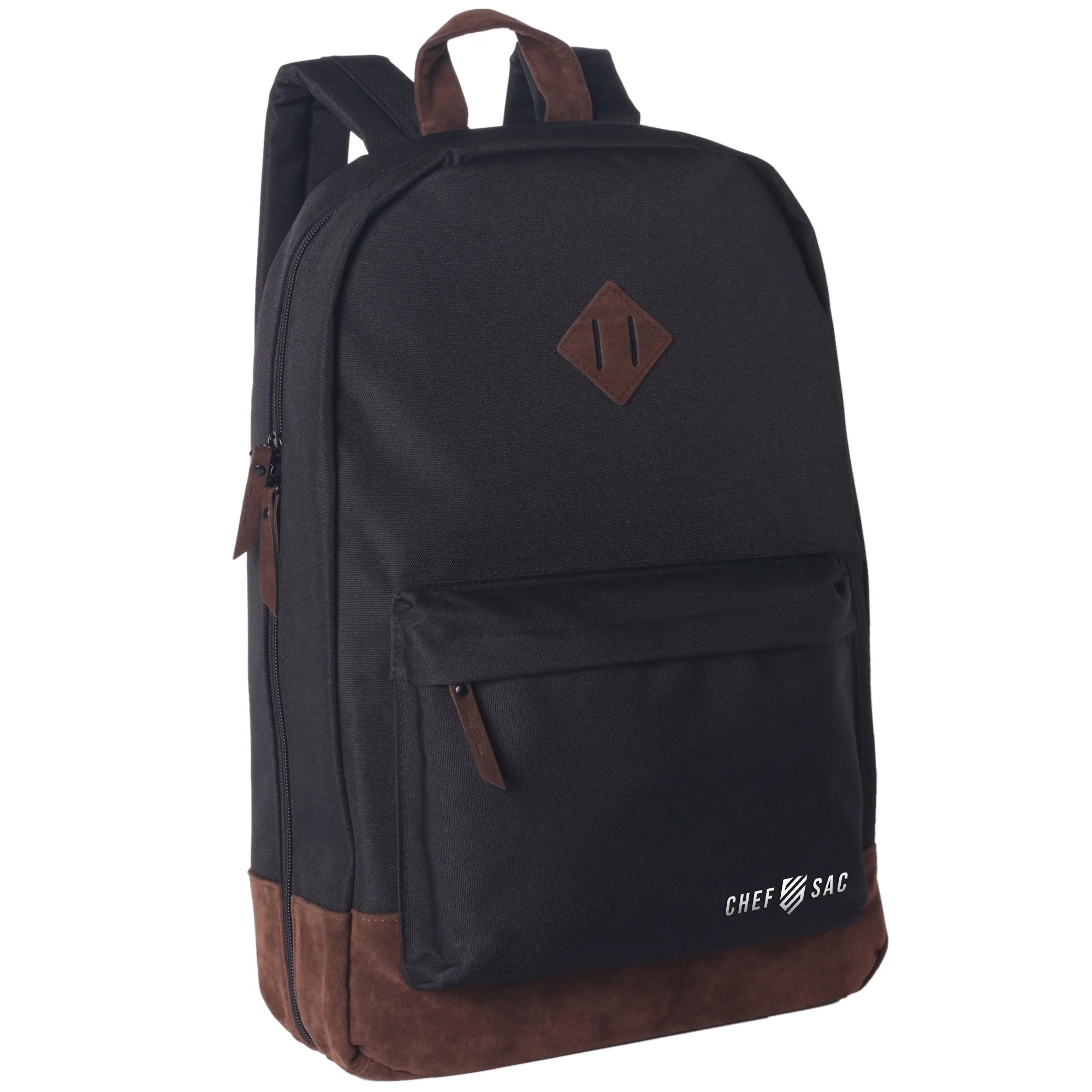
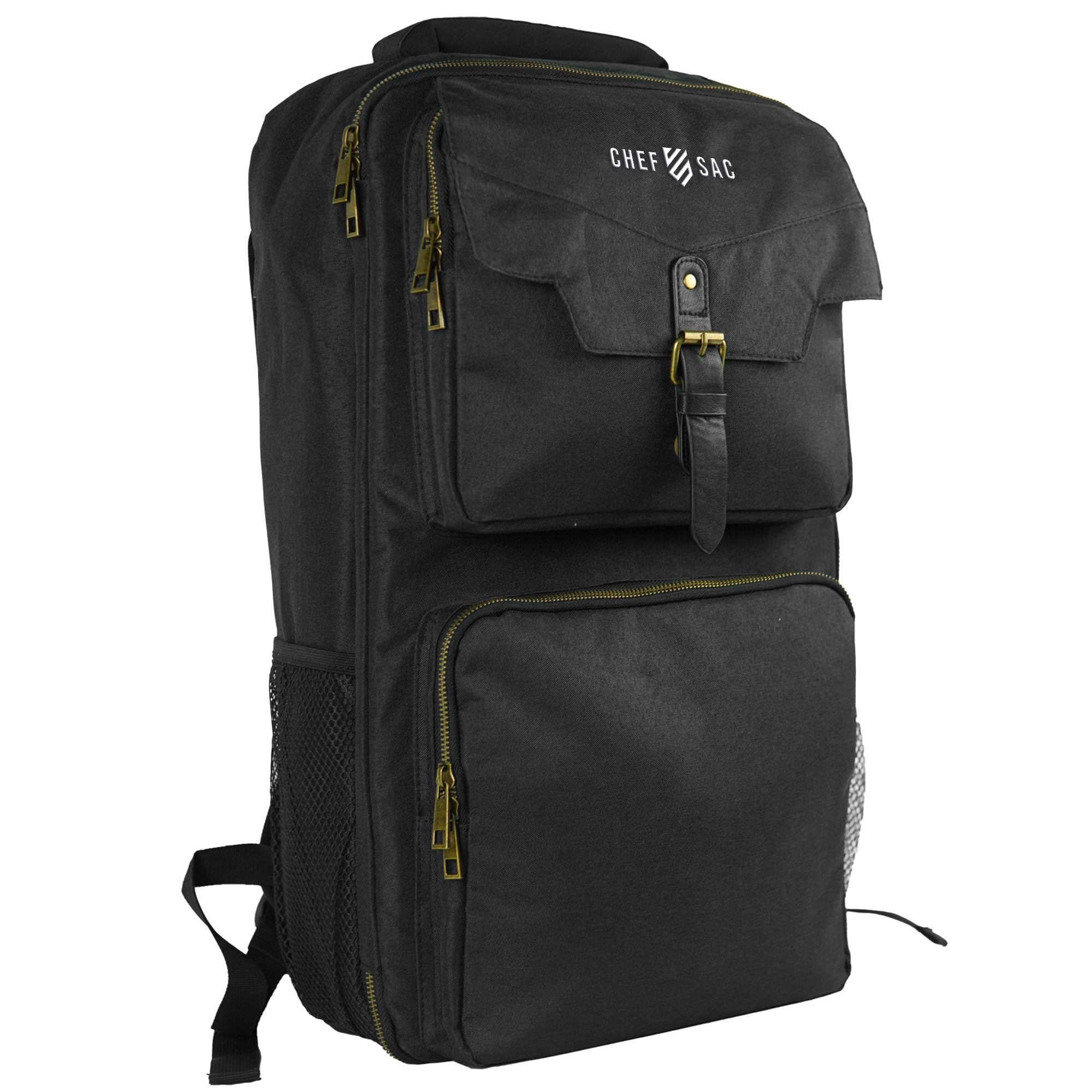
The best bag depends on the size and number of tools you carry. Bakers who bring a bread knife, decorating kit, measuring tools, and multiple utensils may benefit from a larger bag with separate compartments.
A chef backpack can provide space for different tool categories, while a smaller bag may be sufficient for a limited set of decorating or pastry tools.
Prioritize secure storage, protected knife compartments, easy access, and enough room to prevent tools from being forced together. Avoid overpacking, especially when carrying long blades or delicate equipment.
When choosing a bag for baking tools, explore Chef Sac's chef knife backpacks to compare storage options for carrying utensils, protected knives, and other culinary essentials.
For the Griller
If you regularly cook at backyard barbecues, catered events, outdoor functions, or other locations away from your main kitchen, the right grilling tools can make your work easier and more controlled.
Unlike a baker's kit, a grilling kit often prioritizes long-handled tools, temperature monitoring, and equipment suited to working around hot surfaces.

Spatula
A grill spatula should be sturdy enough to lift and turn the foods you prepare. A long handle can help keep your hands farther from the heat, while a wide blade can be useful for burgers, fish fillets, and other foods that need support when turning.
Stainless-steel spatulas are durable and useful for many grilling tasks. A suitable heat-resistant silicone spatula may be useful for specific foods or surfaces, but it should be rated for the temperatures involved and used only where appropriate.
Choose a design based on your grill, cooking surface, and menu. Clean the spatula after use and allow it to dry before storing it in your chef bag.

Tongs
Tongs are among the most versatile tools for grilling. They can help turn vegetables, move larger pieces of food, handle sausages, and reposition ingredients without requiring direct hand contact.
Long-handled tongs provide additional reach around a hot grill. Choose a pair with a secure grip, suitable heat resistance, and enough control to handle the foods you cook.
If you frequently grill delicate ingredients, consider whether a second pair with a different tip design would be useful. Keep raw-food handling separate from handling cooked or ready-to-eat food.

Meat Thermometer
An instant-read food thermometer helps you determine whether food has reached a safe internal temperature. Appearance alone is not a reliable way to determine whether meat is fully cooked.
Choose a thermometer with an appropriate temperature range, a readable display, and a probe that is easy to clean. Follow the manufacturer's instructions for placement and use.
For reference, the USDA recommends these minimum internal temperatures for common foods:
-
Whole cuts of beef, pork, lamb, and veal: 145°F (63°C), followed by a three-minute rest.
-
Ground meats: 160°F (71°C).
-
Poultry: 165°F (74°C).
These are US food-safety recommendations; follow the applicable food-safety requirements in your location. Insert the probe into the thickest appropriate part of the food, avoiding bone when measuring meat.
A compact thermometer is easy to carry, but protect its probe and keep the device clean between uses.

Grill Brush
A grill-cleaning tool helps remove food residue from cooking grates. Choose a design that is appropriate for the grate material and the grill manufacturer's maintenance instructions.
Traditional wire-bristle brushes require particular care because loose bristles can detach and become a food-safety hazard. Inspect the brush before use and replace it if the bristles or head are damaged. Consider a suitable bristle-free cleaning tool when appropriate for your grill.
Follow the manufacturer's cleaning guidance, including whether the grates should be cleaned while warm or after cooling. Avoid assuming every grate material can be treated in the same way.
A grill brush can be bulky, so check whether it belongs in your portable chef bag or is better kept with the grill equipment at the destination.

Basting Brush
A basting brush is useful for applying marinades, sauces, butter, glazes, and other coatings during grilling.
Silicone brushes are often easy to clean and can suit many high-temperature applications when rated accordingly. Natural or synthetic bristle brushes may also be appropriate for particular tasks.
Keep brushes used for raw meat marinades separate from those used for cooked food. Never reuse a marinade that has contacted raw meat unless it has been handled and cooked according to food-safety guidance.
Wash the brush thoroughly after use and dry it before storage. A compact model is usually easy to carry in a utensil compartment.
What Type of Chef Bag Works Best for Grilling?
Grilling tools can have long handles and bulky heads, so storage space and tool length matter.
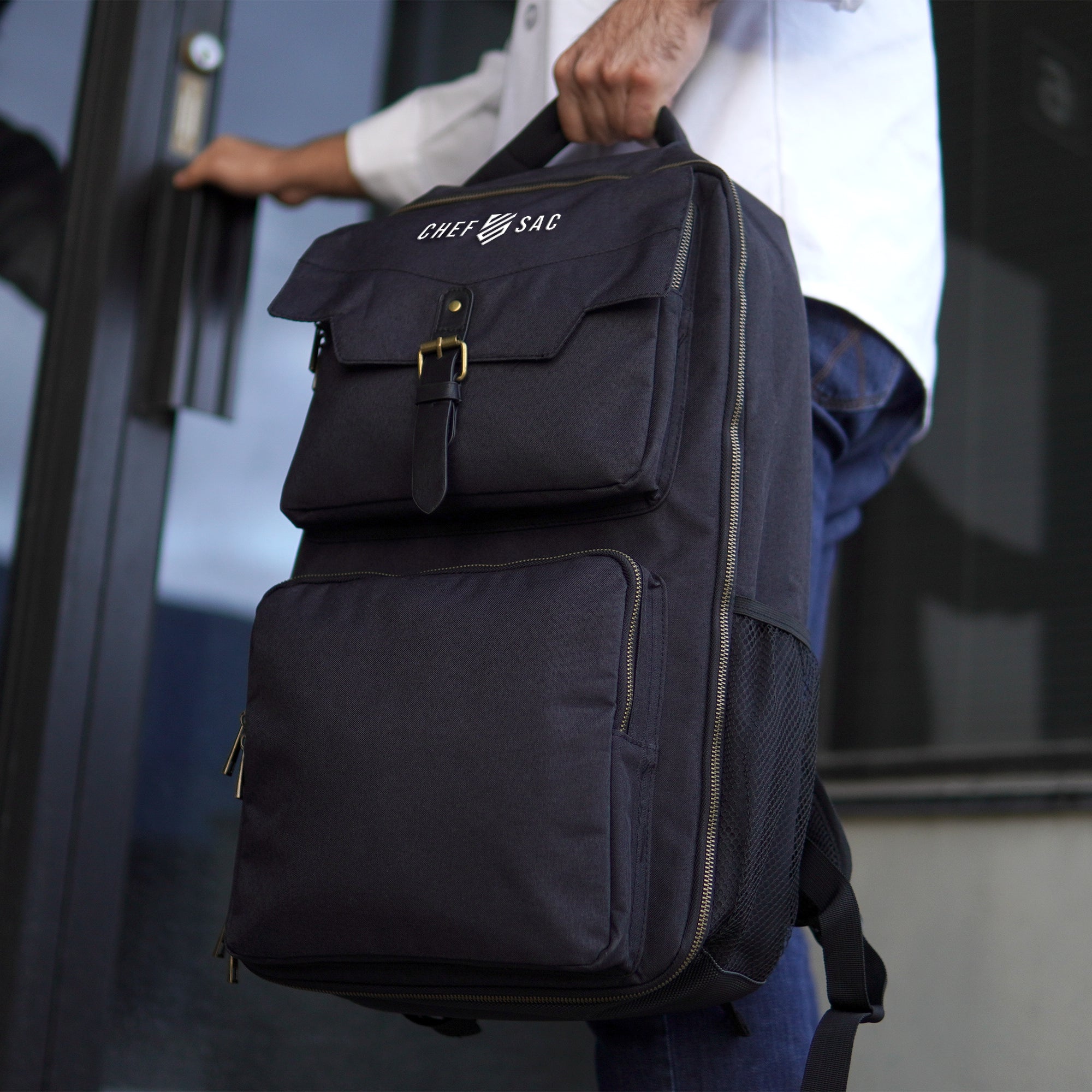
A chef backpack may suit grillers who need to carry several utensils alongside a thermometer and other kitchen tools. A roll or compact tool case may work better for a smaller collection, provided the handles and heads fit securely.
Keep sharp edges covered, separate clean tools from used equipment, and avoid packing hot utensils. Allow everything to cool completely before placing it in your bag.
How Do Baker and Griller Chef Bag Essentials Compare?
The main difference is the task each tool supports. Bakers tend to prioritize measurement, mixing, shaping, and finishing, while grillers focus on turning food, temperature control, and safe handling around heat.
| Tool category | Baker | Griller |
|---|---|---|
| Primary utensils | Silicone spatulas, palette knife, bench scraper | Grill spatula, long-handled tongs |
| Measuring and temperature | Measuring cups, spoons, scale, suitable thermometer | Instant-read food thermometer |
| Specialized tools | Whisk, pastry blender, decorating tips | Basting brush, suitable grill-cleaning tool |
| Cutting equipment | Bread knife and other recipe-specific tools | Knives appropriate to the menu, if needed |
| Main storage concern | Organizing small tools and protecting long blades | Accommodating long handles and keeping used tools separate |
| Best bag features | Organized compartments and protected knife storage | Sufficient length, secure storage, and easy tool access |
These are starting points rather than fixed rules. A baker who grills professionally or a griller who prepares desserts may need tools from both lists.
How Should You Pack and Organize Your Chef Bag?
The most useful chef bag is one that matches your actual work. You do not need to carry every tool you own to every job.
-
Start with the menu. Identify the tasks you'll perform and the tools required to complete them.
-
Check the destination. Confirm which equipment is supplied and what you need to bring yourself.
-
Separate tools by function. Group measuring tools, utensils, decorating equipment, and cutting tools so they are easy to locate.
-
Protect blades and delicate tools. Use suitable guards, sleeves, or dedicated compartments for knives and other sharp equipment.
-
Keep clean and used equipment separate. Use a washable pouch or container for tools that become dirty during a job.
-
Check the fit before leaving. Make sure zippers close comfortably, long handles fit, and tools are not pressing against one another.
-
Clean and inspect everything after use. Dry equipment thoroughly and replace damaged or unsafe tools before your next shift.
When choosing a bag, look for practical storage, comfortable carrying, durable construction, and compartments suited to the equipment you use. A bag that works well for a small pastry kit may not be suitable for a complete grilling setup.
If you need a larger setup for carrying a varied collection of utensils and accessories, compare the Premium Chef Knife Backpack with other chef bag options to find a layout that suits your workflow.
For additional options, explore Chef Sac's chef gear and accessories to find carry gear and accessories that fit your day-to-day kitchen needs.
Frequently Asked Questions
What are the most important tools for a baker's chef bag?
Start with a silicone spatula, whisk, measuring tools, bench scraper, palette knife, and bread knife if you regularly prepare loaves. Add decorating tips, a thermometer, and specialized pastry tools based on your recipes.
What are the most important tools for a griller's chef bag?
A sturdy grill spatula, long-handled tongs, an instant-read food thermometer, and a suitable basting brush form a useful starting kit. Add a safe, appropriate grill-cleaning tool if you are responsible for maintaining the grill.
Should I use a chef backpack or a knife roll?
A chef backpack may suit people who need to carry a varied collection of tools and accessories. A knife roll can work well for a smaller, knife-focused kit. Consider tool length, capacity, blade protection, organization, and carrying comfort before choosing.
Do I need to bring every tool when working in another kitchen?
No. Check the equipment available at the destination and bring only what you need for your responsibilities. This reduces unnecessary weight and makes it easier to keep essential tools organized.
How should I transport knives and other sharp tools?
Use appropriate blade guards, sheaths, or dedicated knife compartments. Keep blades secured and separated from other equipment, and follow any workplace or transport rules that apply.
Can I pack a culinary torch in my chef bag?
A torch may be useful for certain desserts, but transport rules depend on the torch design, fuel, destination, and carrier. Check the applicable restrictions before packing it, and never carry a fuelled torch where prohibited.
How do I keep my chef bag organized between jobs?
Return tools to designated compartments, clean and dry equipment before storing it, separate used tools from clean ones, and inspect blades and utensils regularly. Review your kit against the next job's menu rather than packing everything by default.
Key Takeaways
-
Choose chef bag essentials based on the food you prepare and the work you perform.
-
Bakers benefit from measuring, mixing, pastry, cutting, and decorating tools.
-
Grillers need suitable utensils, reliable temperature monitoring, and safe cleaning equipment.
-
Protect sharp tools and keep clean equipment separate from used utensils.
-
Choose a chef bag that accommodates your tools without forcing them together or making the load unnecessarily heavy.
-
Review your kit before each job and adjust it to the menu, destination, and available equipment.
The right combination of tools will vary from one chef to another. Build a practical kit around your own workflow, then choose a bag that keeps those tools protected, organized, and ready to use.
About the Author
Keith Chiu is the founder of Chef Sac, a chef gear brand built for culinary professionals, culinary students, line cooks, caterers, private chefs, and serious cooks who care about how they carry their tools.
Chef Sac was created to give chefs a better way to organize, protect, and transport the tools of their craft. From knife bags and chef backpacks to aprons, knife guards, and everyday chef carry gear, Chef Sac is built for real kitchen workflows and the Culinary Mavericks who show up prepared.


what is the price