

Updated: September 16, 2026
Originally published: October 7, 2020
TL;DR
Starting to bake does not require every specialty tool available. A beginner baker can build a practical setup with 12 essentials: a digital scale, measuring tools, whisk, mixing bowls, baking pans, spatulas, rolling pin, pastry brush, dough scraper, cutters, mixer, and a case for transporting tools.
Quick Answer
What tools does a beginner baker need?
The essential baking tools for beginners are a digital scale, measuring cups and spoons, whisk, mixing bowls, baking pans, spatulas, rolling pin, pastry brush, dough scraper, pastry and cookie cutters, a hand or stand mixer, and a durable case or bag for carrying baking tools.
What Tools Does a Beginner Baker Need?
A beginner baker needs tools that make measuring, mixing, shaping, baking, decorating, and transporting ingredients and equipment easier.
You don't need to buy every specialty baking gadget when you're starting out. A relatively small collection of reliable tools can handle a wide range of recipes, from cookies and biscuits to cakes, breads, pastries, and desserts.
For junior bakers, the priority should be accuracy, versatility, durability, and organization.
Checklist: 12 Essential Baking Tools
Before you start building your baking setup, make sure you have:
- Digital scale
- Measuring cups and spoons
- Whisk
- Mixing bowls
- Assortment of baking pans
- Silicone and offset spatulas
- Rolling pin
- Pastry brush
- Dough scraper
- Pastry and cookie cutters
- Hand mixer or stand mixer
- Case or bag for your baking tools
These tools cover many of the basic tasks you'll encounter when learning to bake.
For culinary students and working bakers who need to carry their equipment between kitchens, a dedicated chef bag can help keep essential tools organized and ready to use.
12 Must-Have Tools for Junior Bakers
So you decided to learn how to bake. Welcome to the wonderful world of measuring ingredients down to the gram, waiting for dough to rise, and discovering that the oven temperature really does matter.
Before you start building an enormous collection of specialty equipment, let's go over 12 essential tools that can form the foundation of a practical baking arsenal.
1. Digital Scale

A digital scale is one of the most useful tools for precise baking.
Baking depends heavily on proportions. A small difference in the amount of flour, sugar, or other ingredients can affect the texture and consistency of the finished product.
Look for a digital scale that measures in grams and has a tare function. The tare feature allows you to reset the scale to zero after placing a bowl or another ingredient container on it.
This makes it easier to weigh multiple ingredients accurately without doing unnecessary calculations.
For junior bakers, learning to measure ingredients by weight is also a useful habit as recipes become more advanced.
2. Measuring Cups and Spoons

Measuring cups and spoons are another essential part of a beginner baker's toolkit.
For liquid ingredients, a spouted measuring cup makes pouring easier and helps you read measurements from the side of the container.
For dry ingredients, a set of measuring cups gives you convenient measurements for recipes that use volume rather than weight.
A standard measuring-spoon set should include common measurements such as a tablespoon, teaspoon, half teaspoon, and quarter teaspoon.
Even if you primarily use a digital scale, measuring cups and spoons remain useful for many everyday baking tasks.
3. Whisk
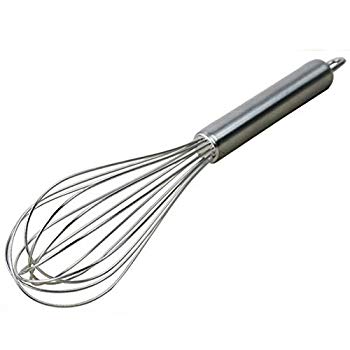
Eggs, cream, batters, sauces, and many other baking preparations benefit from proper mixing and aeration.
A whisk gives you much more control than trying to beat ingredients with a fork.
Different whisks are available for different tasks, but a standard balloon whisk is a practical starting point for a junior baker.
Besides mixing ingredients, whisking can incorporate air into certain preparations, helping create lighter textures.
4. Mixing Bowls

From combining dry ingredients to preparing batter, fillings, frosting, and glazes, mixing bowls are essential for baking.
A small collection of bowls in different sizes is more useful than owning a large number of identical bowls.
Stainless steel bowls are durable, lightweight, and easy to clean. Glass bowls are also useful because they allow you to see the ingredients inside and can be used for many different preparation tasks.
Having several bowls available also makes mise en place easier when a recipe requires multiple ingredients to be prepared separately.
5. An Assortment of Baking Pans

It is easy to get overwhelmed by the number of baking pans available.
Instead of buying every specialty pan, start with a streamlined collection that covers the recipes you are most likely to make.
Useful beginner baking pans include:
- Sheet or cookie pan
- Muffin pan
- Loaf pan
- Bundt pan
- 9-inch round cake pans
- Tube pan
- 9 × 13-inch baking pan
- 8-inch square baking pan
- Pie dish
- Springform pan
You don't necessarily need all of these immediately. Build your collection based on the types of baking you actually plan to do.
6. Spatulas

A good baker should have more than one type of spatula.
A silicone spatula is useful for scraping batter and mixtures from bowls and folding ingredients together. Silicone also handles heat well, making it useful for certain cooking and baking applications.
An offset spatula is particularly useful when working with cakes and other desserts. Its angled blade gives you better control when spreading frosting, icing, fillings, and other soft ingredients.
If you're decorating cakes, an offset spatula can quickly become one of the most frequently used tools in your kitchen.
7. Rolling Pin
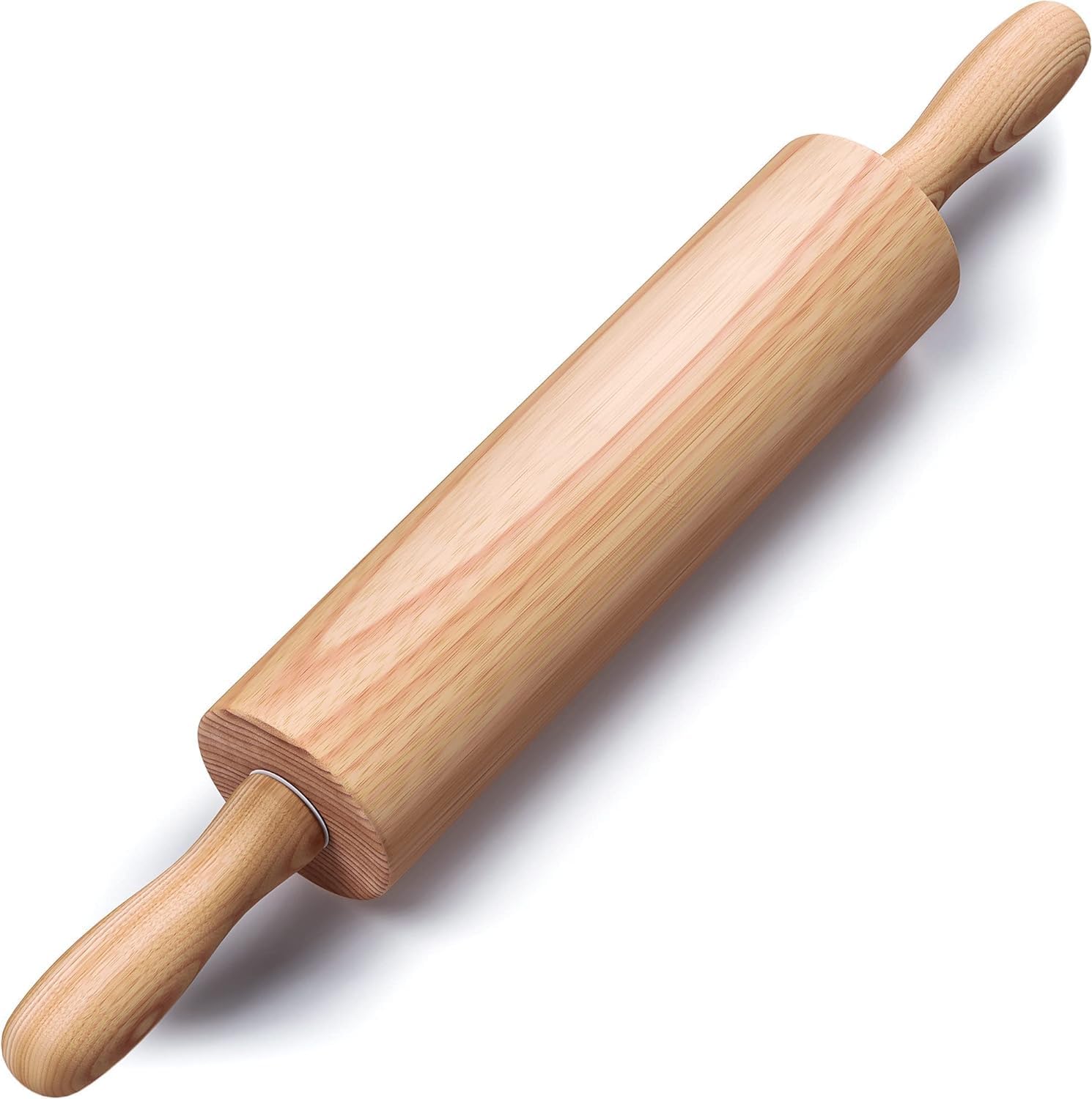
A rolling pin helps flatten and shape dough for cookies, pie crusts, biscuits, pastries, and other baked goods.
For junior bakers, a traditional handled rolling pin can be an approachable starting point. The most important consideration is that the rolling pin feels comfortable and gives you good control over the dough.
A quality wooden rolling pin can also last for years when properly cared for.
8. Pastry Brush

A pastry brush is a small tool with several useful applications.
You can use it to apply:
- Egg wash
- Melted butter
- Oil
- Glazes
- Sauces
- Other thin coatings
It can also help with greasing certain baking surfaces when appropriate.
For beginners, a pastry brush is inexpensive, takes up very little space, and can quickly prove useful across different recipes.
9. Dough Scraper

A dough scraper may look simple, but it can make working with dough considerably easier.
A stainless-steel bench scraper can help you:
- Lift dough from a work surface
- Divide dough into portions
- Cut and shape dough
- Scrape flour and dough residue from a work surface
- Transfer chopped ingredients
Sticky dough can be difficult to handle even with flouring, so having a dedicated scraper can make preparation and cleanup much easier.
10. Pastry and Cookie Cutters

A basic collection of pastry and cookie cutters gives junior bakers an easy way to create consistent shapes.
Start with plain round and fluted cutters before investing in specialty shapes.
Standard cutters can be used for cookies and biscuits and can also be useful for certain pastries and other prepared doughs.
Once you have the basics covered, you can add seasonal or specialty cutters based on what you enjoy baking.
11. Hand Mixer or Stand Mixer
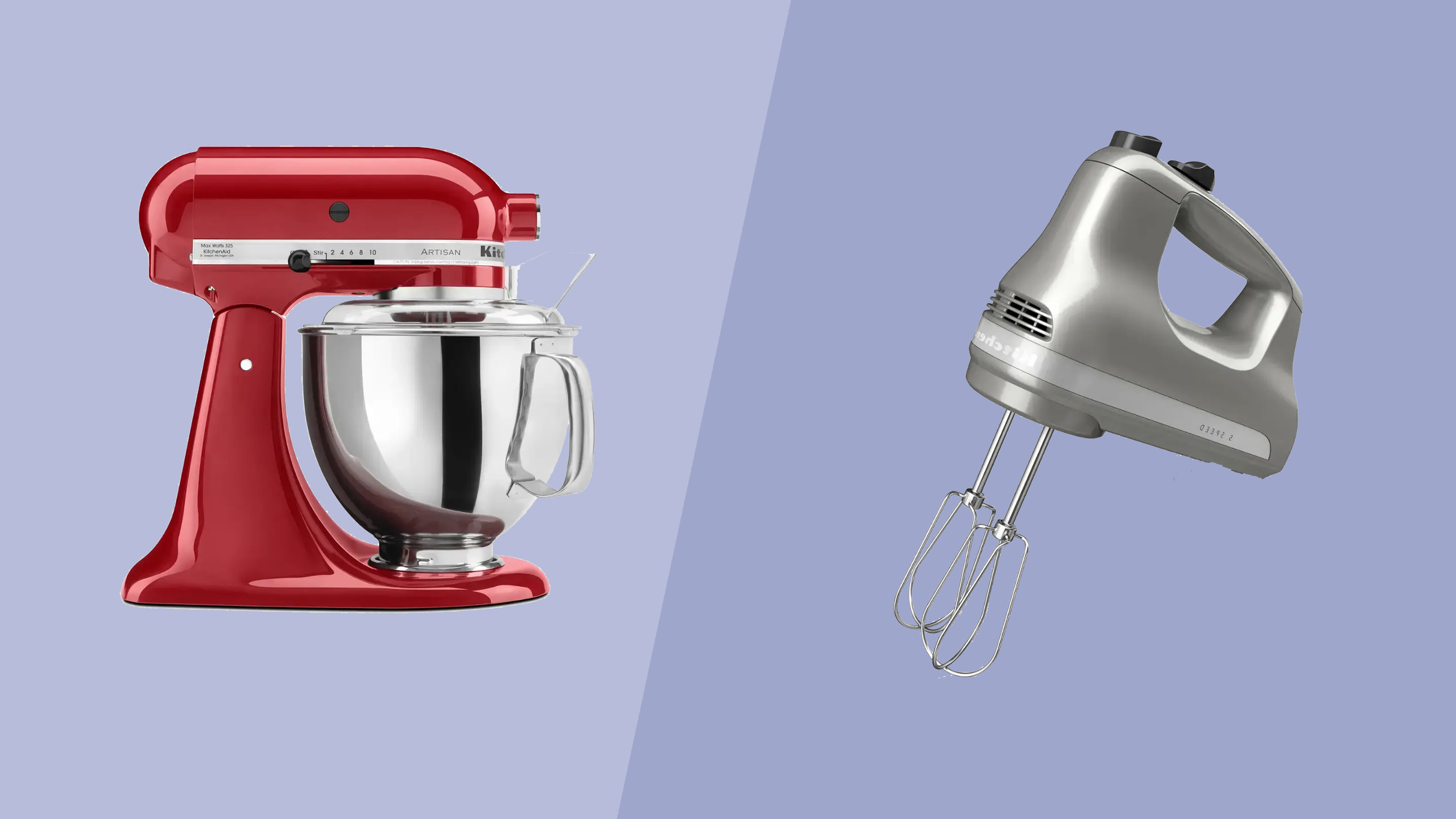
Some baking recipes require considerably more mixing than you want to do by hand.
A hand mixer is an affordable and versatile option for many beginner baking projects. It can handle tasks such as whipping cream, beating eggs, mixing cake batter, and preparing frosting.
A stand mixer takes up more space and usually represents a larger investment, but it can be useful if you bake frequently or regularly work with heavier doughs.
For a junior baker, start with the option that matches your baking frequency, available space, and budget.
12. Case Bag for Your Baking Tools
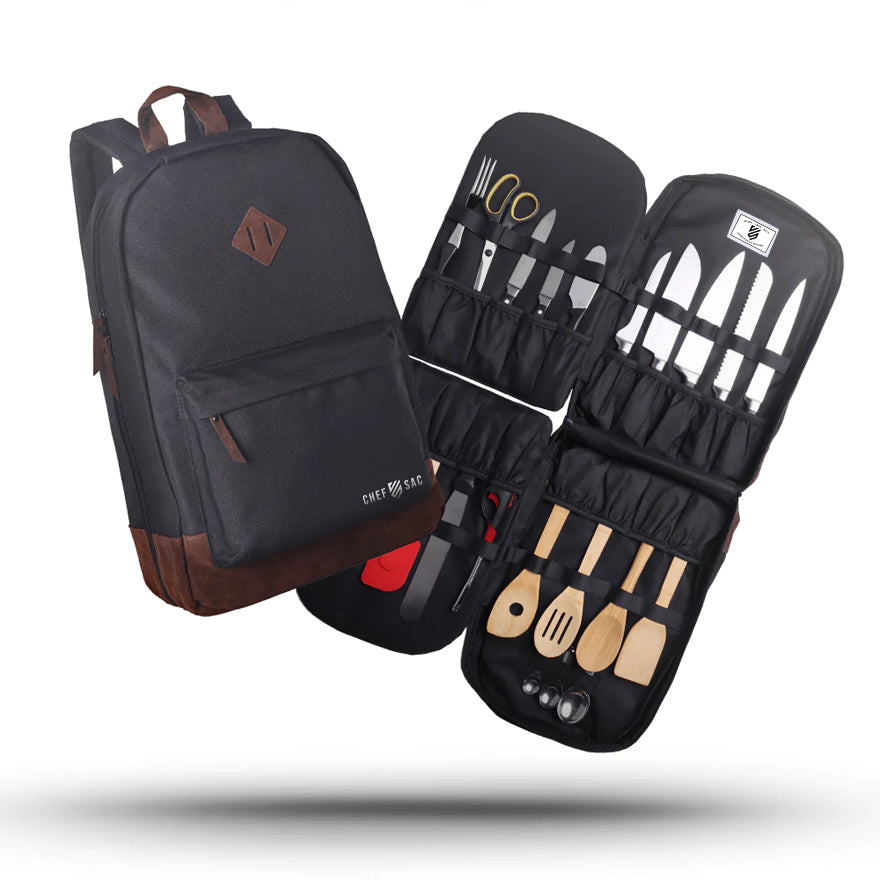
Your baking tools don't always stay in one kitchen.
Whether you're heading to baking school, a culinary class, a baking job, a friend's kitchen, or a catering assignment, a dedicated case bag for your tools can make transportation easier.
A useful baking-tool bag should provide enough room for the equipment you regularly carry while keeping tools organized and protected.
Look for a design that is comfortable to carry, durable enough for regular use, and spacious enough for your essential equipment.
For culinary students and working professionals who move between kitchens, organization becomes just as important as the tools themselves.
How Should Junior Bakers Choose Their Tools?
The best beginner baking setup isn't necessarily the biggest one.
When choosing your tools, consider four things:
| What to consider | What to look for |
|---|---|
| Accuracy | Digital scale and reliable measuring tools |
| Versatility | Tools that work across multiple recipes |
| Durability | Materials designed for repeated use |
| Organization | A practical way to store and transport equipment |
Start with the tools you use most often and expand your collection as your baking skills develop.
This approach can also prevent your kitchen from becoming crowded with specialty equipment you rarely use.
When choosing a carry solution, focus on organization, durability, comfortable transport, and enough space for the tools you actually use.
FAQ: Essential Baking Tools for Beginners
What is the most important baking tool for beginners?
A digital scale is one of the most useful tools for beginners because accurate ingredient measurement is important for consistent baking results.
Do I need a stand mixer to start baking?
No. A hand mixer can handle many common baking tasks. A stand mixer becomes more useful as your baking frequency and the complexity or volume of your recipes increase.
What baking pans should a beginner buy first?
Start with versatile pans such as a sheet pan, muffin pan, loaf pan, round cake pans, and a 9 × 13-inch baking pan. Add specialty pans as your baking interests develop.
Are measuring cups still useful if I have a digital scale?
Yes. Many recipes use volume measurements, and measuring cups are also convenient for certain ingredients and preparation tasks.
What is the difference between a silicone spatula and an offset spatula?
A silicone spatula is primarily useful for scraping, folding, and mixing. An offset spatula has an angled blade that provides better control for spreading frosting, icing, and other soft ingredients.
What does a dough scraper do?
A dough scraper helps lift, divide, portion, and shape dough. It can also be used to clean flour and dough from a work surface.
Do junior bakers need a baking tool bag?
A dedicated tool bag can be useful if you regularly transport baking equipment to culinary school, baking classes, work, catering jobs, or other kitchens.
Key Takeaways
- You don't need every specialty baking gadget when you're starting out.
- A digital scale helps improve measurement accuracy.
- Measuring cups and spoons remain useful for many recipes.
- Mixing bowls, spatulas, whisks, and baking pans form the foundation of everyday preparation.
- A rolling pin, pastry brush, dough scraper, and cutters help with shaping and finishing.
- A hand mixer is enough for many beginner baking tasks.
- A stand mixer can be useful as your baking workload grows.
- A dedicated tool case can make transporting baking equipment easier.
- Build your baking toolkit gradually around the recipes and techniques you actually use.
About the Author
Keith Chiu is the founder of Chef Sac, a chef gear brand built for culinary professionals, culinary students, line cooks, caterers, private chefs, and serious cooks who care about how they carry their tools.
Chef Sac was created to give chefs a better way to organize, protect, and transport the tools of their craft. From knife bags and chef backpacks to aprons, knife guards, and everyday chef carry gear, Chef Sac is built for real kitchen workflows and the Culinary Mavericks who show up prepared.


Thank you for posting this blog, it was very informative. keep sharing these types of blogs.