

Updated: October 16, 2026
Originally published: June 15, 2020
TL;DR
Regularly cleaning your chef knife bag helps remove kitchen grime, grease, and residue before they build up. For most fabric knife bags, start with spot cleaning, cold water, and mild soap. Avoid bleach, machine washing, and tumble drying. If your bag has leather, waxed canvas, padding, or a water-resistant coating, take extra care and follow the instructions for that specific model.
Quick Answer
How do you clean a chef knife bag?
Empty the bag completely, remove loose debris, and gently spot-clean dirty areas with a soft cloth or sponge dampened with cold water and mild soap. Wipe away soap residue with a clean damp cloth, then leave the bag open to air dry completely. Avoid machine washing, bleach, and high heat.
What Is the Best Way to Care for a Chef Knife Bag?
Caring for a chef knife bag means cleaning its fabric, interior compartments, pockets, seams, and trim without damaging its construction. The right method depends on the bag’s materials, coatings, padding, and hardware.
Polyester and nylon are common synthetic fabrics used in bags, but the outer fabric alone does not determine how the entire bag should be cleaned. A bag may also include water-resistant coatings, leather or leather-like trim, reinforced panels, and internal padding.
When in doubt, use gentle spot cleaning and check the manufacturer's care guidance before attempting a deeper wash.
Chef Knife Bag Cleaning Checklist
Before cleaning your knife bag, make sure you have the following:
-
Removed every knife, tool, and personal item.
-
Checked all pockets and compartments for loose debris.
-
Identified any leather, waxed canvas, coated fabric, or delicate trim.
-
Prepared cold water and a small amount of mild soap.
-
Chosen a soft cloth or sponge for gentle cleaning.
-
Set aside a clean cloth to remove soap residue.
-
Prepared a well-ventilated area for air drying.
Cleaning your bag regularly and dealing with spills promptly can help keep your culinary gear in better condition between shifts.
Your Polyester Knife Bag

Polyester is a common synthetic fabric used in bags because it is lightweight and durable. Some polyester fabrics also have water-resistant finishes, but their performance depends on the fabric construction and any coating applied.
Before cleaning a specific model, review its materials and construction, such as those listed for the Premium Chef Knife Backpack.
Even a durable bag can collect food residue, dust, oil, and grease during kitchen work. Regular spot cleaning helps prevent dirt from accumulating.
-
What Are the Benefits of Polyester?

Polyester is often used in everyday carry bags because it is lightweight and can hold up well to regular use. Depending on its construction and finish, it may also resist moisture and some stains.
However, polyester is not stain-proof. Oil and grease can cling to the fabric, while aggressive cleaning products may affect the color or protective finish.
The safest approach is to clean spills promptly and use a gentle method rather than relying on a strong stain remover.
-
How Do You Wash a Polyester Knife Bag?
For a polyester chef knife bag, begin with spot cleaning rather than soaking the entire bag.
-
Empty the bag and open all compartments.
-
Brush or shake away loose crumbs and debris.
-
Mix a small amount of mild soap with cold water.
-
Dampen a soft cloth or sponge and gently clean the affected area.
-
Wipe away soap residue with a separate cloth dampened with clean water.
-
Leave the bag open in a well-ventilated area until the fabric and interior are completely dry.
Avoid a stiff, abrasive brush that could damage the fabric, stitching, printed logo, or coating. Do not put the bag in a clothes dryer, even if the exterior fabric seems heat-resistant.
-
How Do You Remove Oil and Grease Stains From Polyester?
Oil and grease can be harder to remove than ordinary dirt. Treat them as soon as practical, before the residue spreads or becomes more difficult to lift.
-
Blot fresh oil gently with a clean, absorbent cloth. Do not rub it deeper into the fabric.
-
Test a small amount of mild soap solution on a hidden area.
-
If the test area looks unchanged after drying, gently dab the stained area with the solution.
-
Use a soft cloth or soft-bristled brush only if needed, and avoid aggressive scrubbing.
-
Wipe away the soap with a clean, damp cloth.
-
Allow the bag to air dry completely before using or storing it.
Repeat gentle spot cleaning if necessary. Avoid bleach, solvents, and strong degreasers unless the manufacturer specifically confirms they are suitable for the bag's fabric and finish.
Your Nylon Knife Bag
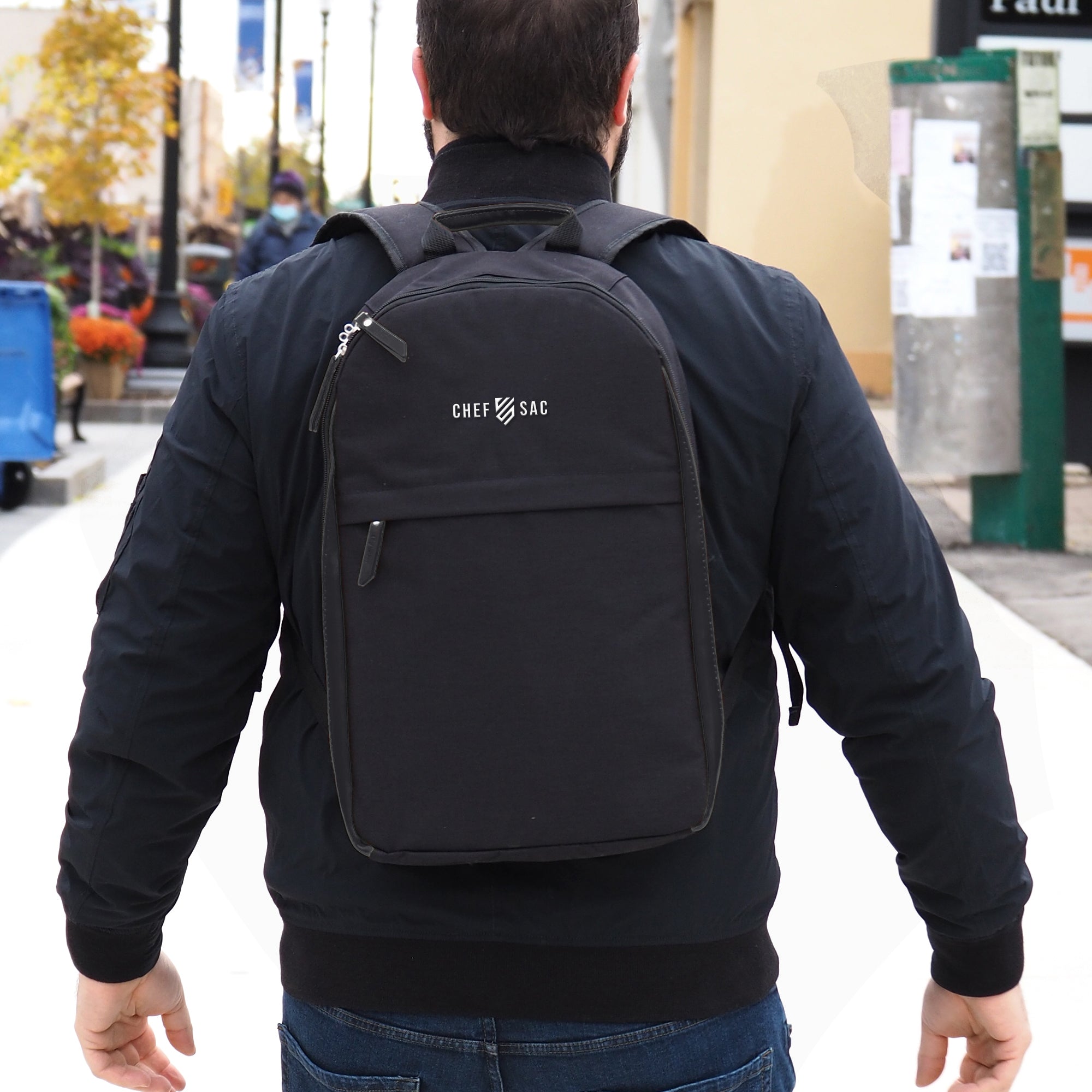
Nylon is another synthetic fabric commonly used in bags. It is valued for its strength and relatively low weight, making it suitable for gear that travels between home, culinary school, restaurants, catering jobs, and other work locations.
Like polyester, nylon can still pick up dirt, food residue, and grease. The best care routine depends on the specific nylon fabric and the rest of the bag's construction.
-
What Are the Benefits of Nylon?
Nylon is known for its strength relative to its weight. Depending on the weave and finish, it can also offer useful resistance to everyday wear and moisture.
Nylon and polyester have different properties, but neither is automatically better for every chef bag. Construction, stitching, padding, coatings, compartments, and overall design all affect how a bag performs.
Both materials benefit from prompt spot cleaning and careful drying.
-
How Do You Clean a Nylon Knife Bag?
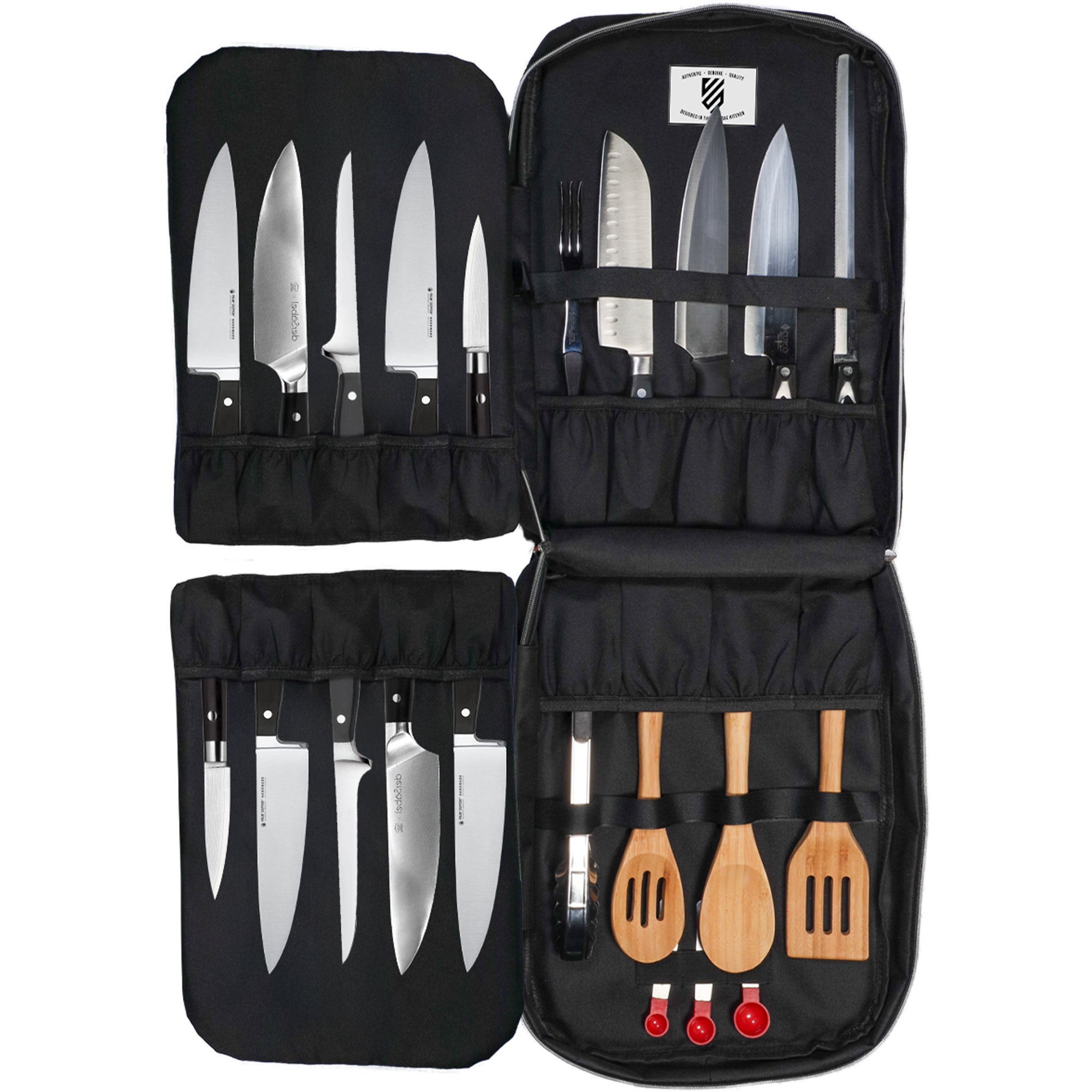
For most Chef Sac bags, hand cleaning with cold water and mild soap is the recommended approach. Avoid assuming that a nylon bag can be soaked or machine washed just because the fabric itself is durable.
-
Remove all knives, tools, and personal belongings.
-
Open the pockets and shake out loose dirt or crumbs.
-
Dampen a soft cloth or sponge with cold water and a little mild soap.
-
Gently clean dirty areas without soaking the bag.
-
Wipe the area with a clean damp cloth to remove remaining soap.
-
Open the compartments and air dry the bag in a well-ventilated area.
Avoid direct heat and tumble drying. Before putting the bag away, check the inside pockets, seams, and padded sections to make sure no moisture remains.
-
How Do You Remove Oil and Grease Stains From Nylon?
When oil spills on nylon, start by blotting up as much of the excess as possible with a clean towel. Avoid rubbing, which can spread the stain.
Next, test a small amount of mild soap solution on an inconspicuous area. If the fabric and finish appear unchanged after drying, gently spot-clean the stain with a soft cloth.
Wipe away soap residue with a clean damp cloth, then leave the bag open to air dry.
The original advice to apply talcum powder to every nylon grease stain is not necessary for routine care. Powder can leave residue in seams and pockets, and its suitability depends on the material and finish. Start with gentle spot cleaning instead.
Additional Care Tips for Chef Knife Bags and Rolls
A little routine maintenance can help keep a knife bag or knife roll cleaner and ready for daily use.

How Should You Clean Leather or Waxed Canvas Trim?
If your bag has leather, waxed canvas, or other special finishes, do not submerge the bag in water. Excess moisture and unsuitable cleaning products can affect the trim, finish, or construction.
-
Clean ordinary dirt from the surrounding fabric with a lightly dampened cloth.
-
Use a cleaner made specifically for the type of leather, if the manufacturer recommends one.
-
Avoid applying leather cleaner to the bag's textile fabric or coated panels.
-
Do not scrub or re-wax waxed canvas unless the product's care instructions recommend it.
Some bags use genuine leather, while others use vegan leather alternatives. Check the specific product details before choosing a care product.
For more guidance on cleaning Chef Sac bags and understanding material differences, consult the Chef Sac care and product FAQ.
Should You Use Bleach on a Polyester or Nylon Knife Bag?
No. Avoid bleach and strong cleaning chemicals unless the manufacturer explicitly approves them. They can discolor fabric, weaken materials, or damage water-resistant finishes.
Mild soap and careful spot cleaning are safer starting points.
How Should You Clean the Inside of a Knife Bag?
The inside deserves as much attention as the exterior. Food crumbs, dust, moisture, and residue can collect in pockets, seams, and knife storage areas.
-
Remove all knives and tools before cleaning.
-
Empty every pocket and compartment.
-
Remove loose debris with a soft brush or dry cloth.
-
Wipe interior surfaces gently with a lightly dampened cloth and mild soap solution when suitable.
-
Remove soap residue and leave compartments open until everything is completely dry.
Never clean the bag while knives are still inside. Check that every compartment is dry before returning knives and other tools to their storage areas.
How Often Should You Clean a Chef Knife Bag?
There is no single schedule that suits every chef. Clean visible spills and fresh stains promptly, wipe away ordinary dirt as needed, and inspect the inside regularly.
A bag used every day in a busy kitchen may need more frequent spot cleaning than one used occasionally. Avoid washing the entire bag on a fixed schedule when simple spot cleaning is sufficient.
How Do Polyester and Nylon Knife Bags Compare?
Polyester and nylon can both work well for chef bags. The better choice depends on the bag's overall construction and your daily needs, not just the name of its outer fabric.
| Care consideration | Polyester bag | Nylon bag |
|---|---|---|
| Routine cleaning | Gentle spot cleaning with mild soap | Gentle spot cleaning with mild soap |
| Oil and grease | Blot promptly, then spot-clean | Blot promptly, then spot-clean |
| Water and moisture | Follow the care instructions for the fabric and coating | Follow the care instructions for the fabric and coating |
| Drying | Air dry; avoid tumble drying | Air dry; avoid tumble drying |
| Leather or special trim | Clean separately according to the material | Clean separately according to the material |
| Bleach and harsh cleaners | Avoid | Avoid |
Important: These are general guidelines, not permission to wash every bag in the same way. A bag's lining, padding, coating, trim, and construction may require extra care regardless of whether the outer fabric is polyester or nylon.
How Can You Keep Your Chef Bag Ready for Daily Use?
The easiest maintenance routine is to deal with small messes before they become bigger problems.
After a shift or trip:
-
Remove your knives and tools before cleaning.
-
Empty loose debris from the pockets and compartments.
-
Wipe away fresh dirt or spills with a suitable cloth.
-
Leave the bag open if the interior needs to air out.
-
Check that the bag is fully dry before storing it.
If you carry your gear to culinary school, restaurant shifts, catering events, or private chef jobs, keeping your bag clean and organized can make it easier to prepare for your next day of work.
When comparing different chef bags and culinary gear, check each model's materials and construction so you know how to care for it properly.
FAQ: Caring for a Chef Knife Bag
Can I put my chef knife bag in the washing machine?
For Chef Sac bags, machine washing is not recommended. Agitation can affect the bag's stitching, internal padding, knife storage sections, and protective coatings. Use gentle spot cleaning with cold water and mild soap instead.
Can I put my chef knife bag in the dryer?
No. Air drying is the recommended method. Heat and tumbling can damage padding, stitching, fabric finishes, and the overall structure of the bag.
What soap should I use to clean a chef knife bag?
Start with a small amount of mild soap or a fabric-safe detergent diluted in cold water. Test the solution on a hidden area before cleaning a visible stain, and wipe away any residue.
How do I remove a grease stain from a knife bag?
Blot up excess oil with a clean cloth, then gently spot-clean the area with a mild soap solution if the material permits it. Wipe away residue and air dry. Avoid harsh degreasers and abrasive scrubbing.
Can I soak a knife bag in water?
Avoid soaking the entire bag unless the manufacturer explicitly says it is safe. Padding, coatings, leather trim, and reinforced sections can be affected by prolonged exposure to water.
How do I clean a knife roll with leather details?
Avoid submerging it. Clean the textile areas gently and use a suitable leather cleaner only on the leather, following the cleaner's instructions and the product manufacturer's care guidance.
How do I prevent mold or musty odors in my knife bag?
Remove damp items, open the compartments, and let the bag dry completely in a well-ventilated area before storing it. Do not put a damp bag in a closed cupboard or pack it away while moisture remains inside.
Key Takeaways
-
Identify the materials and finishes in your specific bag before cleaning it.
-
Start with spot cleaning using cold water, mild soap, and a soft cloth.
-
Blot oil and grease rather than rubbing them into the fabric.
-
Avoid bleach, harsh chemicals, machine washing, and tumble drying.
-
Treat leather, waxed canvas, and special coatings according to their own care requirements.
-
Clean the interior and allow all compartments to dry completely before storing your knives and tools.
A simple, gentle cleaning routine can help you keep your chef knife bag or knife roll in better condition through everyday kitchen work and travel.
About the Author
Keith Chiu is the founder of Chef Sac, a chef gear brand built for culinary professionals, culinary students, line cooks, caterers, private chefs, and serious cooks who care about how they carry their tools.
Chef Sac was created to give chefs a better way to organize, protect, and transport the tools of their craft. From knife bags and chef backpacks to aprons, knife guards, and everyday chef carry gear, Chef Sac is built for real kitchen workflows and the Culinary Mavericks who show up prepared.

