

Updated: October 13, 2026
Originally published: June 10, 2020
TL;DR
The right chef uniform should balance comfort, hygiene, mobility, and workplace safety. Choose suitable headwear, a well-fitting chef jacket, comfortable kitchen pants, an apron when appropriate, and slip-resistant kitchen shoes. Always follow your employer's dress code and food-safety requirements.
Quick Answer: What Should a Chef Wear in the Kitchen?
A typical professional chef uniform includes hair-covering headwear, a chef jacket, kitchen pants, appropriate footwear, and sometimes an apron. Each item should suit the kitchen's requirements and the tasks being performed.
Prioritize these features:
-
Headwear: Keeps hair contained according to workplace hygiene rules.
-
Chef jacket: Provides coverage and allows comfortable movement.
-
Kitchen pants: Fit securely and allow unrestricted movement.
-
Apron: Helps keep the uniform clean and can provide useful storage.
-
Kitchen shoes: Offer suitable traction, comfort, and protection for the work environment.
What Is a Chef's Uniform?
A chef's uniform is work clothing designed to support hygiene, comfort, professional presentation, and practical protection in a kitchen. Traditional uniforms often include a chef jacket, kitchen pants, headwear, and closed-toe work shoes.
The exact requirements vary by kitchen, employer, local regulations, and job responsibilities. A uniform should be selected for the conditions in which it will be worn rather than appearance alone.
Chef Uniform Checklist
Before starting a shift, check that your uniform includes the appropriate items for your workplace.
-
Suitable headwear that contains your hair.
-
A clean chef jacket that fits properly.
-
Kitchen pants that allow comfortable movement.
-
An apron, if required or useful for your role.
-
Closed-toe kitchen shoes with appropriate slip resistance.
-
Clean, suitable socks and any required protective equipment.
-
Clean clothing without loose parts that could catch on equipment.
-
A spare hair covering or other required uniform item when appropriate.
Hats On in the Kitchen
Headwear is a recognizable part of a chef's uniform, but its primary purpose is practical: keeping hair controlled and supporting food hygiene.
The best option depends on your hair length, the kitchen's rules, comfort, and the type of work you perform. Long hair should be secured, and the chosen covering should meet your workplace's requirements.

Chef Hat or Toque
The traditional chef's hat, often called a toque, is one of the most recognizable parts of professional kitchen attire. The word toque is associated with the traditional tall, pleated white hat.
Chef hats are used in some professional kitchens for tradition, presentation, and to help contain hair. However, a traditional toque may not fully contain all hair types on its own, so additional hair restraints may be necessary.
If your workplace requires a specific uniform, follow its headwear policy rather than choosing a style based on appearance alone.

Skull Cap
A chef skull cap is a close-fitting head covering designed to keep hair contained. Many versions are lightweight and breathable, making them useful in warm kitchen environments.
Skull caps may suit chefs with short hair or those who prefer a low-profile alternative to a traditional toque. Choose a cap that fits securely without causing discomfort, and wash reusable versions regularly according to the manufacturer's instructions.

Mob Cap
A mob cap is a loose-fitting head covering with an elastic edge that accommodates more hair volume than many close-fitting caps.
It can be useful for chefs with long or thick hair who need a covering that contains their hair securely. Disposable and reusable options are available, depending on workplace policy.
Make sure the cap fully contains the hair and fits comfortably. A disposable cap should be replaced when required by hygiene procedures or if it becomes damaged or soiled.
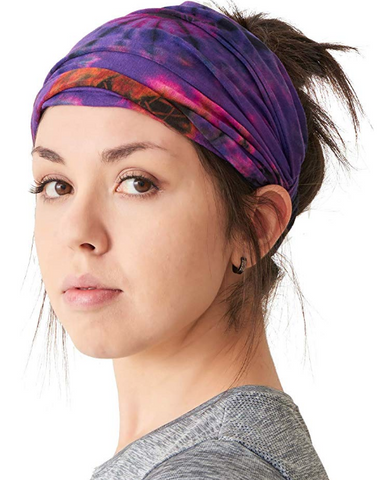
Headscarf
A chef headscarf is a fabric covering that wraps around the head and secures the hair. It can offer a comfortable alternative for chefs who prefer fabric headwear.
Headscarves may be suitable in professional kitchens when they meet the employer's hygiene and safety requirements. Choose a secure fit, keep loose ends controlled, and use a fabric that can be washed regularly.

Hairnet
A hairnet is a lightweight covering designed to contain loose hair. It is often used in commercial food preparation environments where hair restraints are required.
Hairnets are practical to keep available as a spare, especially when working in kitchens with strict hygiene procedures. Choose one that suits your hair length and volume, and make sure it contains the hair effectively.
A hairnet may need to be worn alongside other headwear, depending on workplace rules. Always follow the requirements of your kitchen.
A Chef's Jacket

A chef jacket is a central part of many professional uniforms. Traditional designs often feature a double-breasted front, long sleeves, and a white or dark-colored finish.
Before choosing a jacket, check your employer's requirements for color, fabric, sleeve length, and overall appearance. Then consider the features that affect comfort and everyday performance.

What Should You Look for in a Chef Jacket?
Breathable fabric: Kitchens can become hot during busy service. Choose a fabric that balances airflow, durability, and the level of coverage your work requires. Cotton and suitable fabric blends are common options, but the best choice depends on the environment and care instructions.
Appropriate sleeve length: Long sleeves provide more coverage from incidental contact and splashes than short sleeves. However, sleeves should fit securely and must not interfere with safe work. Follow your workplace's uniform and protective-clothing requirements.
Double-breasted design: A double-breasted front provides an additional layer of fabric across the torso. It is a traditional chef-jacket feature, but it should not be treated as specialized heat protection unless the garment is specifically rated for that purpose.

Comfortable fit: Your jacket should allow you to reach, bend, lift, and move freely. Avoid clothing that is excessively tight or loose enough to catch on equipment.
Why Are Pockets Useful on a Chef Jacket?
Some chef jackets include a chest pocket or sleeve pocket for small items such as a pen or thermometer, when permitted by workplace policy.
A designated pocket can make frequently used items easier to access. However, avoid overloading pockets or carrying anything that could fall into food, catch on equipment, or create a safety concern.
A small, clean handkerchief may be useful in some settings, but it should be handled hygienically and kept separate from food-contact surfaces. Follow your workplace's rules for personal items and uniform cleanliness.
Pants for the Kitchen

Pants for the Kitchen
Kitchen pants should provide comfortable movement, a secure fit, and suitable coverage throughout a shift.
Professional kitchen pants are often designed with enough room to bend, crouch, and move quickly. However, excessively loose fabric can create hazards if it catches on equipment or comes into contact with food or hot surfaces.
What Should You Look for in Chef Pants?
Comfortable fit: Choose pants that allow you to move without restriction. They should stay securely in place without relying on constant adjustment.
Suitable fabric: Lightweight, durable fabrics can help with comfort during long shifts. Consider the kitchen's temperature, laundering requirements, and expected wear.
Practical design: Choose a style that meets your employer's dress code and does not have loose features that interfere with your work.
Appropriate coverage: Long kitchen pants provide more leg coverage than shorts. Follow workplace rules and consider the risks associated with hot liquids, equipment, and spills.
Avoid assuming that one color or pattern is best for every kitchen. Some workplaces require specific uniform colors, while others allow more flexibility.
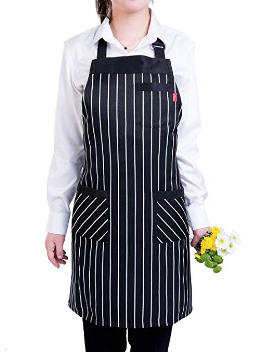
Why Is an Apron Useful in the Kitchen?
An apron can add a practical layer over your chef jacket and pants, helping keep clothing clean during food preparation. Depending on its design, it may also provide pockets for permitted small items.
Choose an apron that fits securely, allows comfortable movement, and is suitable for the tasks you perform. Avoid long or loose ties that could catch on equipment, and keep pockets free of unnecessary items.
An apron is not a substitute for appropriate protective clothing, and it should be changed or cleaned according to workplace hygiene procedures.
If you want a dedicated apron for kitchen work, consider the Super Cotton Canvas Chef Apron. Select an apron based on fit, material, storage needs, and your workplace's requirements.
Dependable Shoes

Kitchen footwear is one of the most important parts of a chef's uniform. Wet floors, grease, dropped utensils, long periods of standing, and constant movement can make unsuitable shoes a safety concern.
The right footwear should fit comfortably, provide appropriate traction, and meet the requirements of your workplace.
What Features Should Kitchen Shoes Have?
Slip-resistant soles: Look for footwear designed and tested for slip resistance in the type of environment where you work. No shoe can prevent every slip, so proper floor maintenance and safe work practices remain important.
Closed-toe construction: Closed-toe shoes help protect your feet from some common workplace hazards. Depending on your role, additional protective features may be required.
Comfortable fit: Chefs often spend many hours standing and walking. Choose shoes with suitable support, enough room for your toes, and a secure fit.
Easy-to-maintain materials: Kitchen shoes should be practical to clean and maintain. Consider the exposure to water, grease, cleaning products, and food debris in your workplace.
Workplace compliance: Some kitchens require specific footwear or additional protective features. Check the applicable rules before purchasing a new pair.
Athletic shoes are not automatically unsafe, but ordinary running shoes may not provide the traction or protection required for a professional kitchen. Choose footwear based on its actual features and suitability for the work environment.
How Do You Choose the Right Chef Uniform?
The best uniform is the one that meets your workplace's requirements while supporting hygiene, comfort, and safe movement.
| Uniform item | What to prioritize | What to check |
|---|---|---|
| Headwear | Secure hair containment | Hygiene rules and fit |
| Chef jacket | Coverage and mobility | Fabric, sleeves, and dress code |
| Kitchen pants | Comfort and secure fit | Movement and fabric durability |
| Apron | Practical coverage and fit | Pockets, ties, and cleaning |
| Kitchen shoes | Traction and comfort | Workplace hazards and footwear policy |
Before buying anything, confirm the uniform standards with your employer. Culinary students should also check their school's dress code, as requirements may differ from those of a restaurant or catering business.
How Should You Maintain Your Chef Uniform?
A well-maintained uniform supports professional presentation and everyday hygiene.
-
Wash jackets, pants, aprons, and reusable headwear according to their care labels and workplace procedures.
-
Change clothing when it becomes excessively soiled or contaminated.
-
Keep spare uniform items available when your role or workplace requires them.
-
Inspect clothing for damaged seams, loose fasteners, and other issues that could interfere with safe work.
-
Clean and maintain kitchen shoes according to the manufacturer's instructions.
-
Keep personal belongings and tools stored separately from clean uniform items.
If you carry personal tools between shifts, choose storage that keeps them organized and protects sharp edges. A dedicated chef bag can help separate culinary equipment from clothing and other everyday items.
If you also need a place to organize your knives and other culinary equipment, browse Chef Sac's chef gear collection for options suited to your working setup.
For chefs who need to transport tools between home, culinary school, and work, explore Chef Sac's chef bags and culinary gear to compare options for carrying your equipment.
Frequently Asked Questions
Do chefs have to wear white jackets?
No. White is traditional, but some kitchens allow black or other colors. The correct choice depends on the employer's dress code and workplace requirements.
What is the best headwear for a chef?
There is no single best option for every chef. Toques, skull caps, mob caps, headscarves, and hairnets can all be useful when appropriate for the person's hair and the kitchen's hygiene rules.
Should chefs wear long sleeves?
Long sleeves provide more coverage than short sleeves, but the appropriate style depends on workplace policy and the tasks involved. Choose clothing that fits securely and does not interfere with safe movement.
Are chef pants supposed to be loose?
Chef pants should allow comfortable movement without being so loose that they create a snagging or contamination risk. A secure, practical fit is more important than following a particular fashion.
Do chefs need to wear an apron?
Not every kitchen requires an apron, but it can help keep clothing clean and provide useful storage. Follow your employer's hygiene and uniform rules, and change or clean the apron when necessary.
What shoes should chefs wear?
Choose comfortable, closed-toe kitchen footwear with appropriate slip resistance and any additional protective features required by your workplace. Ordinary footwear may not be suitable for every kitchen environment.
How often should a chef uniform be washed?
Wash uniforms regularly according to workplace hygiene procedures, the level of soiling, and the garment's care instructions. Change contaminated clothing promptly when required.
Key Takeaways
-
Choose a chef uniform that meets workplace requirements and supports hygiene, comfort, and safe movement.
-
Select headwear that securely contains your hair and follows food-safety rules.
-
Look for a chef jacket and kitchen pants that provide appropriate coverage without restricting movement.
-
Use an apron when required or useful, and keep it clean and properly fitted.
-
Choose kitchen shoes based on traction, comfort, and the hazards in your work environment.
-
Maintain your uniform and replace damaged or unsuitable items when necessary.
Dressing for success in the kitchen is about more than the traditional chef's look. The right uniform supports the way you work, helps you meet workplace standards, and keeps you prepared for the demands of each shift.
About the Author
Keith Chiu is the founder of Chef Sac, a chef gear brand built for culinary professionals, culinary students, line cooks, caterers, private chefs, and serious cooks who care about how they carry their tools.
Chef Sac was created to give chefs a better way to organize, protect, and transport the tools of their craft. From knife bags and chef backpacks to aprons, knife guards, and everyday chef carry gear, Chef Sac is built for real kitchen workflows and the Culinary Mavericks who show up prepared.

